Leveraging Technology for Translation
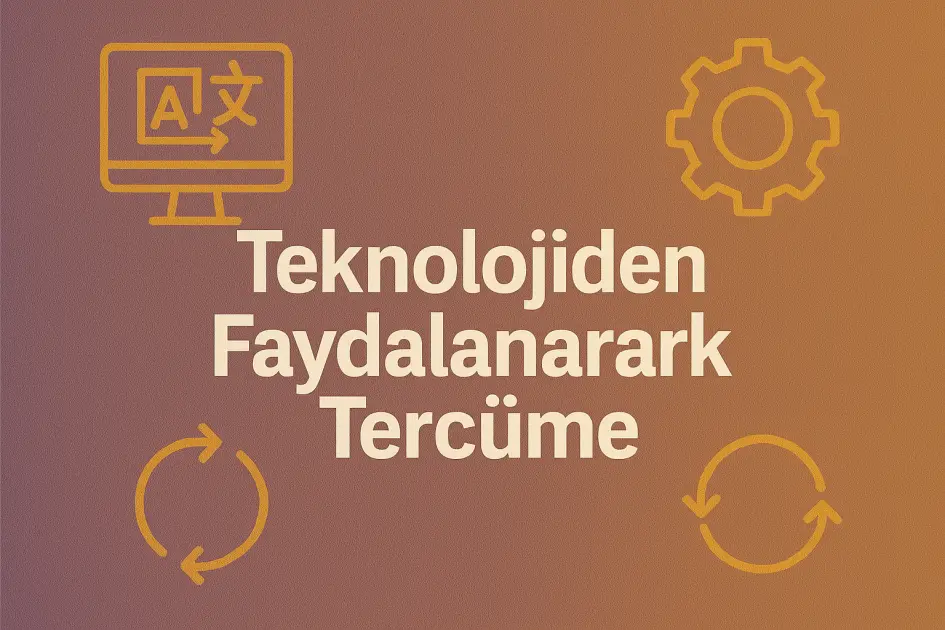
In today's world, the translation of documents in different languages has gained more importance than ever due to globalization. Thanks to the opportunities provided by technology, translation processes have become faster, more accurate, and more accessible. In this article, we will discuss the advantages of leveraging technology for translation, the tools used, and best practices.
The Role of Technology in the Translation Process
The translation process is complex, requiring knowledge of grammar, cultural context, and terminology. However, thanks to the tools provided by technology, this process has become more efficient. For example, machine translation (MT) and computer-assisted translation (CAT) tools facilitate and accelerate the work of translators. These tools enable translators to accomplish more work in less time.
Machine translation enables the automatic translation of texts from one language to another. Popular tools like Google Translate are highly effective in meeting users' immediate translation needs. However, these tools also have limitations. Therefore, the contribution of professional translators remains of great importance. Machine translation may not fully reflect the nuances of language and cultural context; at this point, the expertise of human translators comes into play.
Machine Translation and Computer-Assisted Translation Tools
Machine translation generally offers a fast and cost-effective solution. However, it may not fully reflect the nuances of language and cultural context. At this point, computer-assisted translation (CAT) tools come into play. CAT tools allow translators to store previously translated texts in a database, enabling them to translate similar texts faster and more consistently. These tools help translators optimize their workflow.
For example, popular CAT tools like SDL Trados and MemoQ help translators optimize their workflow. These tools offer features such as translation memory and terminology management, enabling translators to produce higher-quality work. Such software allows translators to leverage data from previous projects to increase consistency in similar texts.
The Use of Artificial Intelligence in the Translation Process
Artificial intelligence (AI) is revolutionizing translation processes. AI-powered translation systems are becoming more successful in understanding language structure and context. Thanks to their continuous learning and development capabilities, these systems provide increasingly accurate translations over time. AI plays a significant role in resolving the complexities of language.
For instance, OpenAI's GPT-3 model stands out as a significant advancement in natural language processing. Such AI systems can produce smoother and more natural translations by better understanding the meaning of texts. However, there are still points that require review by human translators. AI-powered systems may sometimes misunderstand context or overlook cultural elements.
Advantages and Disadvantages of Technology
The advantages technology provides to translation processes are numerous. Factors such as speed, cost-effectiveness, and accessibility are increasing the importance of technology in the translation field. However, the disadvantages of technology should not be overlooked. Machine translation may not fully reflect the nuances of language and cultural context. Therefore, the contribution of professional translators remains of great importance. Especially in sensitive texts such as legal, medical, and technical documents, the expertise of human translators is required.
In such documents, the correct use of terminology and the consideration of cultural context are of critical importance. Human translators have the ability to produce accurate and effective translations by better understanding the meaning of texts. Additionally, translators can ensure that texts are adapted appropriately for the target audience. Therefore, the opportunities provided by technology should be used not to replace human translators, but to support them.
Conclusion
Leveraging technology for translation has become an unavoidable necessity today. Machine translation and computer-assisted translation tools accelerate translation processes and reduce costs. However, the expertise and experience of human translators remain indispensable for quality translations. In the future, it is expected that artificial intelligence and other technological advancements will play an even greater role in the translation field. Therefore, it is important for both translators and users to keep up with these changes. Making the best use of the advantages offered by technology in translation processes is a critical step to achieve quality and effective translations.